How do I avoid rental scams in New Zealand?
Newcomers searching from overseas are prime targets for rental scams. The good news is that New Zealand’s bond system makes most of them easy to spot: a real landlord lodges your bond with Tenancy Services, and nobody needs your money before you have seen the home.
In 30 seconds
- Never pay a bond, rent or a “holding deposit” for a home you haven’t seen or had viewed by someone you trust
- Letting fees and key money are illegal; bonds can’t be more than 4 weeks’ rent and must be lodged with Tenancy Services
- Report scams to the website, your bank and the National Cyber Security Centre, and the police if you lost money
The usual tricks
- A home well below market rent, with a “landlord” who is overseas and will post the keys once you pay
- Pressure to pay quickly because “lots of people are interested”
- Photos copied from a real listing or a sales advert
- Requests to pay by international transfer, gift card or cryptocurrency
- A “holding deposit”, “application fee” or “key money” before you sign
- Emails or texts from a property manager with new bank details for the bond
How the bond protects you
A landlord can ask for a bond of up to 4 weeks’ rent and a pet bond of up to 2 weeks’ rent. They must lodge it with Tenancy Services, which holds it for the whole tenancy. Tenancy Services sends you a confirmation once it is lodged. If you don’t, contact Tenancy Services: a missing bond is a red flag and an offence. Rent in advance is limited to 2 weeks.
Checks before you pay
- View the home in person, or ask a colleague or friend to view it, or join a live video call with the property manager on site
- Search the address and photos online to see whether the listing appears elsewhere, or is for sale
- Check the property manager’s business details and phone them on a number from their own website
- Only pay into a New Zealand bank account in the landlord’s or company’s name, after signing the tenancy agreement
- Never send copies of your passport to someone you haven’t checked
Use the market rent tool
Tenancy Services’ market rent tool shows what similar homes in an area rent for. A listing far below that range deserves extra care.
Scam texts and calls
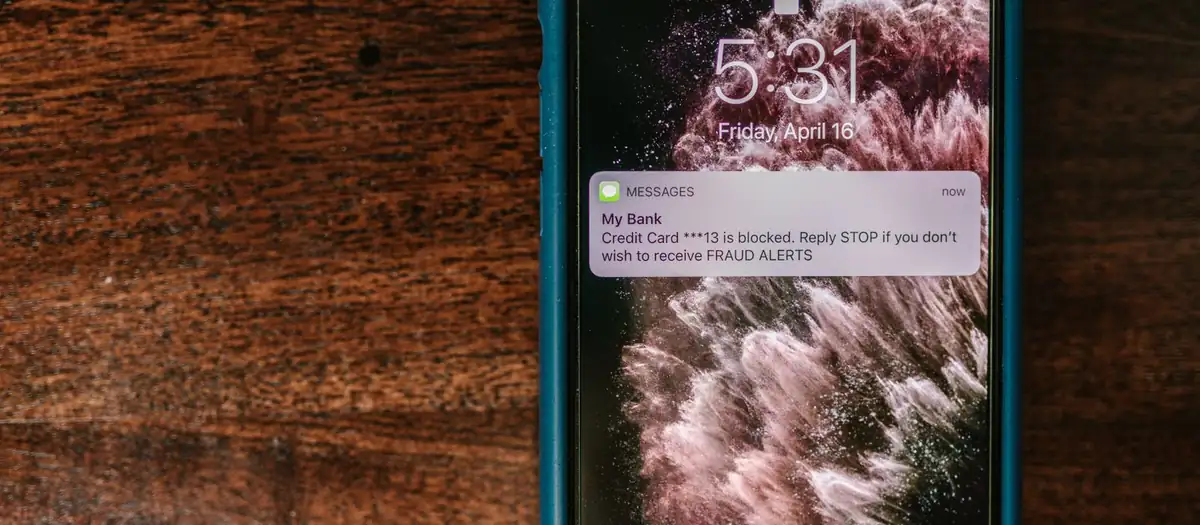
Text scams pretending to be banks, NZ Post, toll roads, Inland Revenue or courier firms are common. Don’t click links in unexpected messages. Inland Revenue and banks won’t ask for passwords or one-time codes. Forward scam texts free to 7726 (spells SPAM).
If you have been scammed
- Call your bank immediately to try to stop or recall the payment
- Report the listing to Trade Me or the site you used
- Report it to the National Cyber Security Centre (which took over CERT NZ’s reporting service) and, if you lost money, to the police on 105
- Keep emails, messages and payment records
Other things to watch
Some older homes may have been contaminated by methamphetamine use; landlords and tenants have rules about testing. Homes damaged in earthquakes or floods can still be rented if safe, but ask about repairs. See Renting.
Room and flatmate scams
Scammers also post rooms in shared houses, often on social media. The same rules apply: meet the people you will live with, see the room, and get a written agreement before paying. If you are a tenant named on the tenancy agreement, your share of the bond should still go to Tenancy Services. If you are a flatmate renting from a tenant, ask how your money is held and get a receipt.
Short stays and holiday homes
Fake holiday homes and short-term rentals appear on social media and copycat booking sites, especially for summer and the ski season. Book through the platform’s own payment system, never by bank transfer to someone who contacts you off the platform, and be wary of a host who asks to move the conversation to email or WhatsApp.
Protecting your identity
Your passport, visa and IRD number are valuable to identity thieves. Share copies only with a landlord or property manager you have checked, and only once you are applying for a specific home. Some people watermark copies with the purpose and date. If your documents are misused, report it to the police and IDCare, and tell Inland Revenue if your IRD number was involved.
What to do next
- Check the market rent for any listing you like
- Never pay before viewing and signing
- Save the NCSC and police reporting links
Keep going
- Tenancy Services: Bonds (general bond and pet bond)
- Tenancy Services: Rent (rent in advance and rent increases)
- Tenancy Services: Letting fees and key money
- Tenancy Services: Market rent (what similar homes rent for)
- National Cyber Security Centre (formerly CERT NZ): Report a scam
- Netsafe: Online scams
- NZ Police: Cybercrime and the internet (scams and fraud)
- Trade Me: Safe trading and rental scam advice
- Tenancy Services: Properties affected by meth
- Tenancy Services: Renting a property with earthquake damage