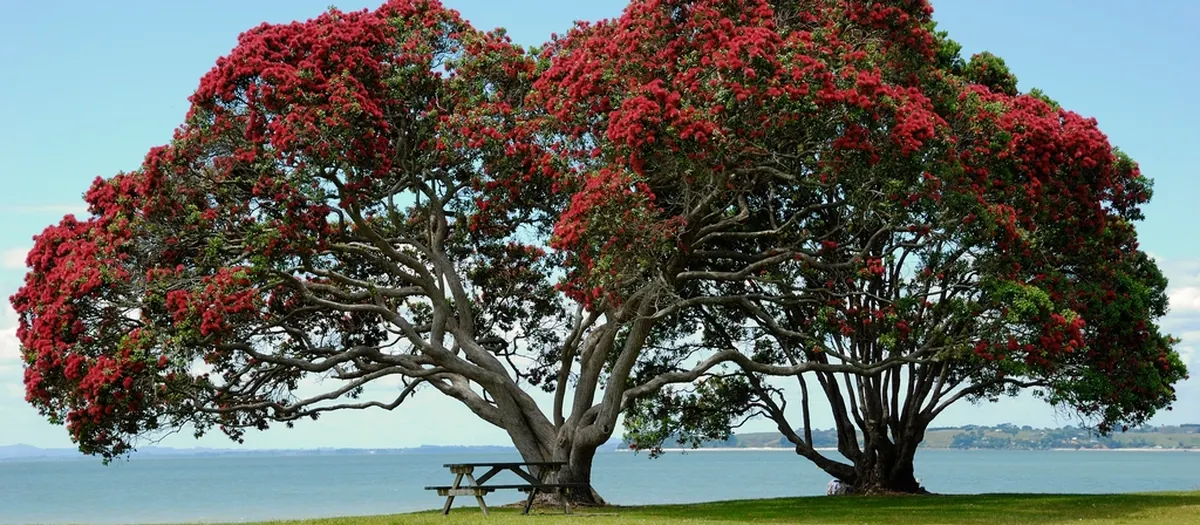
How do we make the most of a New Zealand summer?
New Zealand summer runs from December to February, and it is when the country heads outdoors: beaches, barbecues, camping and long evenings. Christmas falls in the middle of it, along with the six-week school holiday, so many businesses slow down from Christmas to mid-January.
In 30 seconds
- UV levels are much higher than in the UK: sunburn can happen in 15 minutes on a summer day, so slip, slop, slap and wrap
- Swim at patrolled beaches between the red and yellow flags; rips cause many rescues
- Book Great Walks, DOC campsites and holiday homes months ahead for the Christmas to January peak
What summer is like
| Place | January average | Sunshine in January |
|---|---|---|
| Auckland | 20.0°C | 240 hours |
| Wellington | 17.0°C | 232 hours |
| Christchurch | 17.1°C | 228 hours |
| Hamilton | 18.7°C | 237 hours |
| Tauranga | 19.8°C | 269 hours |
| Queenstown | 15.9°C | 237 hours |
| Dunedin | 15.2°C | 182 hours |
These are averages over day and night (Earth Sciences New Zealand, 1991 to 2020). Days often reach the mid to high 20s, and Christchurch and Central Otago can top 30°C when the hot north-westerly wind blows. Auckland and the north are humid.
The sun
New Zealand has some of the highest UV levels in the world in summer, because of clear air, the ozone hole season and the Earth being closer to the sun in the southern summer. SunSmart advises protection whenever the UV index is 3 or above, which is most of the day from September to April. Wear a hat, sunglasses and SPF 50 sunscreen, cover up, and seek shade around midday. Schools expect sun hats.
Water safety
- Swim at beaches patrolled by Surf Life Saving New Zealand, between the red and yellow flags
- Learn to spot rips: darker, calmer channels of water between breaking waves
- Rivers can rise quickly after rain upstream; check before swimming or crossing
- Wear lifejackets on boats and kayaks: they are required to be carried for everyone
- Children should learn to swim early; school swimming lessons are common
Christmas and the summer holiday
Christmas in New Zealand means barbecues, pavlova and the beach rather than roast dinners in the dark, though many families keep both. The school year ends in mid-December and starts again in late January or early February. Many workplaces close between Christmas and New Year, and some for longer. Roads to beach towns are busy, and holiday homes book out early.
Camping and the Great Walks
The Department of Conservation runs campsites and huts across the country and the Great Walks, such as the Milford, Routeburn and Abel Tasman tracks. Peak-season places sell out within hours of bookings opening, often months ahead, so note the opening dates. Freedom camping is allowed only in permitted places and, in many areas, only in certified self-contained vehicles.
Fire and other hazards
Fire seasons tighten in summer: check checkitsalright.nz before lighting a barbecue on a beach, a campfire or burning garden waste, as total bans are common. Sandflies bite on the West Coast and in Fiordland; wasps are a summer nuisance in some forests. Summer storms and ex-tropical cyclones can bring flooding to the north and east.
Summer favourites
- Cricket on the beach and at the test grounds
- Outdoor concerts, food and wine festivals, and Waitangi Day events on 6 February
- Fruit picking: cherries, berries and stone fruit
- Long road trips: plan for slower, winding roads than you expect
See Weekends away and Public and school holidays.
What to do next
- Buy SPF 50 sunscreen and sun hats before summer
- Note when Great Walks and DOC bookings open
- Find your nearest patrolled beach
Keep going
- Earth Sciences New Zealand (NIWA): Mean monthly temperatures, 1991–2020
- Earth Sciences New Zealand (NIWA): Mean monthly sunshine hours, 1991–2020
- SunSmart (Cancer Society and Health New Zealand): UV and sun protection
- Surf Life Saving New Zealand: Beach safety and patrolled beaches
- Water Safety New Zealand: Drowning statistics and water safety
- Department of Conservation: Bookings for Great Walks, huts and campsites
- Department of Conservation: Great Walks
- Department of Conservation: Freedom camping
- Fire and Emergency New Zealand: Check it’s alright
- Ministry of Education: School terms and holidays dates