Can we get around New Zealand without a car?
You can live without a car in central Auckland, Wellington and parts of Christchurch, and fare caps keep commuting cheap. Elsewhere buses are less frequent, and most households run at least one car. Between cities, coaches, a few scenic trains, ferries and cheap domestic flights fill the gaps.
In 30 seconds
- Auckland caps adult fares at NZ$50 a week with an AT HOP card; Christchurch caps bus fares at NZ$6 a day and NZ$30 a week
- Motu Move, the new national ticketing system, has replaced Christchurch’s Metrocard and is rolling out to other regions in 2026 and 2027; many smaller cities use the Bee Card
- For long distances, domestic flights are often quicker and not much dearer than coaches; there are only a handful of long-distance passenger trains
City by city
| City | Network and card | Fares |
|---|---|---|
| Auckland | Buses, trains and ferries; AT HOP card or contactless | NZ$50 weekly cap with AT HOP; NZ$20 daily cap with contactless |
| Wellington | Metlink buses, trains and ferries; Snapper card, and contactless since 12 April 2026 | Zone fares: at peak with Snapper NZ$2.12 for 1 zone, NZ$3.50 for 2 and NZ$4.67 for 3; 20% less off-peak |
| Christchurch | Metro buses and the Diamond Harbour ferry; Motu Move or contactless | NZ$3 a trip, capped at NZ$6 a day and NZ$30 a week |
| Hamilton | Busit; Bee Card | Fares by zone, cheapest with a Bee Card (NZ$1.50 in the Central City Zone), and a weekly cap for regular users; fares rose on 28 September 2026 |
| Tauranga | Baybus; Bee Card | NZ$3.10 a trip with a Bee Card; NZ$8.90 Daysaver |
| Queenstown | Orbus; Bee Card | NZ$2.50 adult fare anywhere on the town network with a Bee Card (NZ$4 cash) |
| Dunedin | Orbus; Bee Card | NZ$2.50 adult fare within Dunedin with a Bee Card (NZ$3 cash); free transfers within 45 minutes |
Fares and cards are changing as Motu Move rolls out, so check the regional council’s site before you buy a card. Children under 5 travel free, and children and young people get concession fares.
Motu Move
Motu Move is the new national ticketing system: one card or a contactless bank card or phone across regions. Christchurch switched first, and its Metrocard is retired from 23 November 2026. The rollout elsewhere has been delayed; Wellington is expected in 2027, and Auckland and the Bee Card regions will follow. In the meantime, use the local card for the best fares.
Living car-free
- Auckland: central suburbs and those near the rail lines and Northern Busway work well; outer suburbs mean long bus rides
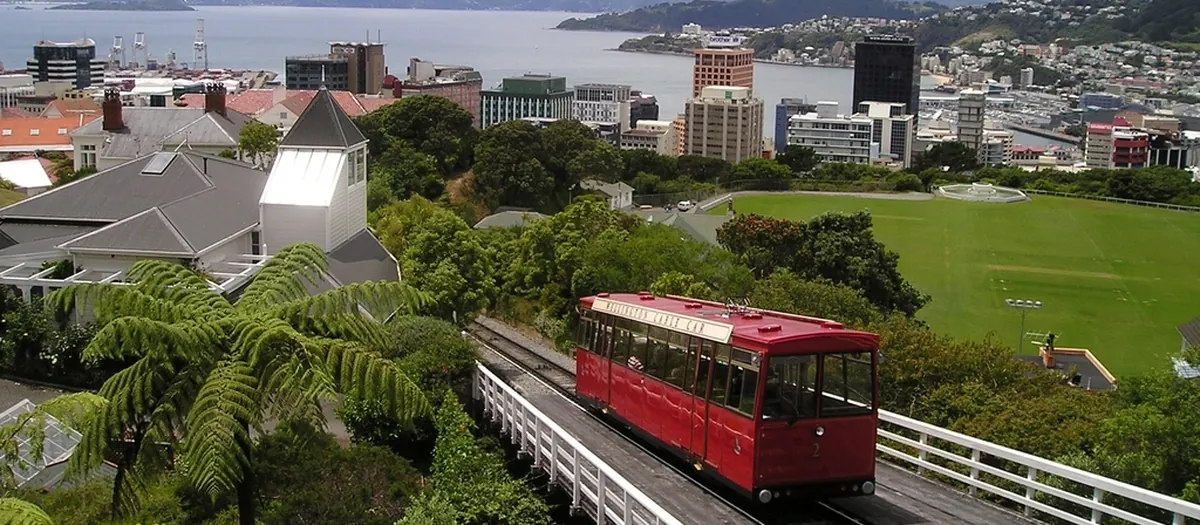
- Wellington: compact, walkable and hilly, with good buses and trains to the Hutt Valley and Kāpiti; the easiest city to live in without a car
- Christchurch: flat, with a growing network of cycleways and good buses on the main routes
- Hamilton, Tauranga and Dunedin: possible near the centre, but buses are less frequent at night and weekends
- Queenstown: buses are cheap, but most outdoor trips need a car
- Car sharing and rental by the hour exist in the big cities; e-scooters and e-bikes are widely available to hire
Cycling
Helmets are compulsory for cyclists of all ages. Cities are adding protected cycleways, and e-bikes are popular for hilly commutes. Cycle trails such as the Otago Central Rail Trail are great for weekends.
Between cities
| Mode | What to know |
|---|---|
| Coaches | InterCity runs the main national coach network; book early for cheaper fares |
| Trains | Only three long-distance passenger trains: the Northern Explorer (Auckland to Wellington), the Coastal Pacific (Picton to Christchurch) and the TranzAlpine (Christchurch to Greymouth), aimed at tourists |
| Ferries | Interislander and Bluebridge cross Cook Strait between Wellington and Picton, with cars |
| Flights | Air New Zealand and Jetstar fly between the main cities, often for less than NZ$150 one way if booked early |
Getting older
Once you get NZ Super, the SuperGold card gives free off-peak travel on most buses, trains and ferries. See Retirement.
When a car makes sense
For weekends in the national parks, school runs in the suburbs and life outside the main cities, most people end up with a car. Read Driving in New Zealand, and compare rents near good transport using the cost of living calculator.
What to do next
- Get the right transport card for your city
- Look for a home near a frequent bus or train route
- Book coaches and flights early for the cheapest fares
Keep going
- Auckland Transport: 7-day fare cap for Auckland public transport (NZ$50)
- Auckland Transport: Buses, trains and ferries
- Metlink (Greater Wellington): Contactless payment on buses and trains from 12 April 2026
- Metlink: Tickets and fares (Snapper peak and off-peak fares by zone)
- Metro Christchurch: Fares and fare caps (Motu Move; Metrocard retired from 23 November 2026)
- Motu Move: the national public transport payment system
- 1News: Delayed NZ$1.4bn Motu Move system “world-leading”, Transport Minister (23 Sep 2026)
- Waikato Regional Council: Public transport (Busit and Bee Card)
- Baybus (Bay of Plenty Regional Council): Tauranga and Western Bay fares
- Otago Regional Council: Orbus fares (Dunedin and Queenstown)
- Bee Card: regional transport card
- SuperGold card: free off-peak public transport
- InterCity: Nationwide coach network
- Great Journeys New Zealand (KiwiRail): Northern Explorer, Coastal Pacific and TranzAlpine
- Interislander: Cook Strait ferry
- Bluebridge: Cook Strait ferry
- Air New Zealand: Domestic flights
- NZ Transport Agency Waka Kotahi: Cycling road code
- NZ Transport Agency Waka Kotahi: Cycle helmets (compulsory)
- Tenancy Services: rental bond data (rents by city)