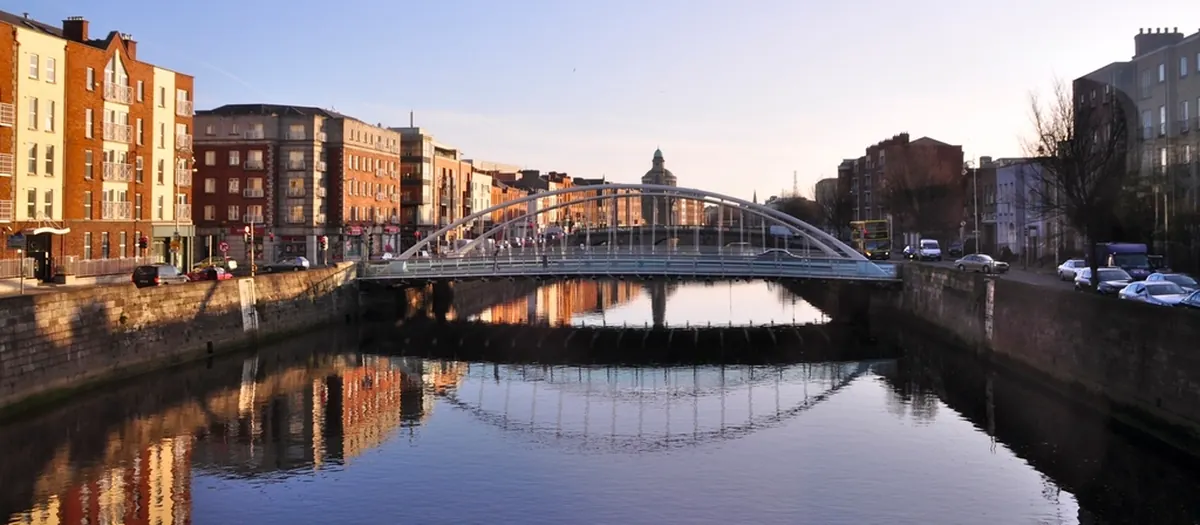
Can we buy a home in Ireland?
There are no restrictions on British citizens buying property in Ireland. Buying works much like in England and Wales, with solicitors on both sides and nothing binding until contracts are signed. The hurdles are prices, competition and getting a mortgage without an Irish track record.
In 30 seconds
- Stamp duty on homes is 1% up to €1 million, 2% from €1 million to €1.5 million and 6% above that
- Help to Buy (now up to €35,000) is only for first-time buyers of new homes: if you have owned a home in the UK, you don’t qualify
- Mortgages are capped by Central Bank rules: usually 4 times income for first-time buyers, 3.5 times for others, with at least a 10% deposit
Who can buy
Anyone can buy property in Ireland, including people not living there. You’ll need a PPS number for the stamp duty return and an Irish bank account for the mortgage. Mortgages for buyers who haven’t yet moved, or who are on probation in a new job, are harder to get.
How buying works
- Get mortgage approval in principle, often valid for 6 months
- View and bid: many sales go through estate agents’ online bidding, and “sale agreed” isn’t binding
- Instruct a solicitor, and pay a small booking deposit to the agent (refundable until contracts)
- Get a survey (structural engineer or chartered surveyor) and a valuation for the lender
- Sign contracts and pay the balance of a 10% deposit
- Complete (“closing”): the balance is paid, the deeds transferred and stamp duty filed
- Register ownership with Tailte Éireann (the land registry)
Gazumping is legal until contracts are signed, as in England. Prices of past sales are public on the Property Price Register.
Stamp duty
| Price of a home | Stamp duty |
|---|---|
| Up to €1 million | 1% |
| €1 million to €1.5 million | 2% on that slice |
| Above €1.5 million | 6% on that slice |
| Buying 10 or more homes in a year | A higher rate applies (bulk purchases) |
New homes are sold with 13.5% VAT included, and stamp duty is charged on the price excluding VAT. On a €400,000 home, stamp duty is €4,000. Add legal fees (often €2,000 to €3,500 plus VAT), a survey and valuation.
Help to Buy and other schemes
Help to Buy refunds income tax and DIRT to first-time buyers of new homes, up to 10% of the price. Budget 2027 raised the maximum from €30,000 to €35,000 from 7 October 2026; the property value cap stays at €500,000. To qualify, neither you nor anyone buying with you can have bought or built a home before, anywhere in the world, so most Britons who owned a UK home can’t use it. The First Home shared equity scheme also targets first-time buyers.
Mortgages
- Central Bank rules limit borrowing to 4 times gross income for first-time buyers and 3.5 times for second and later buyers, with a 90% maximum loan-to-value (70% for buy-to-let)
- Lenders usually want you past probation, with several months of Irish payslips and bank statements
- Your UK history counts for little: build an Irish record first. See How do I build a credit history in Ireland?
- Mortgage protection life cover is normally required
- Fixed rates are common; check early repayment charges
Costs once you own it
| Cost | What it is |
|---|---|
| Local Property Tax | Yearly, by value band at 1 November 2025: €95 up to €240,000, €235 up to €315,000, €333 up to €420,000, €428 up to €525,000; councils can vary it by up to 15% |
| Home insurance | Buildings and contents; required by your lender |
| Management fees | For apartments, to the management company |
| Bins, energy and broadband | As for renters; no water charges |
Letting it out
If you let your home, register the tenancy with the RTB and follow the 2026 rent rules. Rent-a-room relief lets you earn up to €14,000 a year (€16,000 from 2027) tax-free from a lodger in your own home. Short-term holiday letting is restricted in many areas and needs planning permission in some.
What to do next
- Get mortgage approval in principle
- Check the Property Price Register for the area
- Ask a solicitor about stamp duty and costs before you bid
Keep going
- Revenue: Stamp duty
- Revenue: Stamp duty higher rate on multiple residential acquisitions
- Revenue: Help to Buy incentive, who can claim
- Revenue: Help to Buy, how much can you claim?
- The Irish Times: Budget 2027 main points (6 Oct 2026)
- Central Bank of Ireland: Mortgage measures
- Revenue: LPT valuation bands and rates 2026 to 2030
- Citizens Information: Switching your mortgage
- Citizens Information: Renting your property for short-term lets
- Citizens Information: Renting out a room in your home