Is this rental listing genuine?
Fake rental listings are common in Paris and other tight markets, and newcomers searching from the UK are a favourite target. Most scams follow the same patterns, and a few checks make them easy to spot.
In 30 seconds
- Never pay a deposit, rent or a “reservation fee” before you’ve visited (or had someone visit) and signed a lease
- Be wary of very low rents, landlords who are “abroad”, and anyone asking for payment by transfer to a foreign account or by voucher
- Only send the documents the law allows, and hide sensitive numbers; report scams to the police and on the government’s scam platforms
How rental scams work
- A listing appears with good photos and a low rent in a sought-after area
- The “owner” says they’re abroad and can’t show the flat, but will send the keys after payment
- They ask for a deposit and first month by transfer, often to a foreign account, or through a fake booking site
- After payment, the contact disappears
Other common tricks
- Identity theft: fake landlords collect full files (passport, payslips, tax notices) to open accounts or take loans in your name
- Fake agencies charging “file fees” or fees above the legal caps
- Sublets by tenants who aren’t allowed to sublet
- Fake furnished short lets on copied photos
- Phishing emails pretending to be from Visale, DossierFacile or a listing site
Warning signs
- Rent far below similar flats nearby
- The landlord can’t meet you or arrange a viewing
- Pressure to pay quickly to “secure” the flat
- Payment by money transfer service, cryptocurrency or vouchers
- A lease sent before any viewing, with no address check
- Spelling and contact details that don’t match the agency’s website
Checks to make
- Search the photos online: copied pictures often appear in other listings
- Visit, or ask a trusted person to visit, and check the keys work
- Check an agent’s professional card number and the agency’s address
- Ask for the energy rating report (DPE) and the property tax notice’s owner name, and check they match
- Send documents through DossierFacile, which adds a watermark, rather than raw scans
Pay the right way
- Pay only after signing the lease and the check-in inventory
- Pay by bank transfer to a French or EU account in the landlord’s or agency’s name
- Get a receipt for the deposit and rent
- Never pay cash for large sums: payments over €1,000 to a business in cash are illegal for residents
- Keep every message and payment record
Booking from the UK
If you can’t visit, use a furnished rental through a well-known platform with payment protection for the first weeks, then look in person. Corporate relocation agents and trusted friends can do viewings for you.
If you’ve been scammed
- Contact your bank immediately to try to stop or recall the payment
- File a complaint with the police or gendarmerie (you can start a pre-complaint online on Ma Sécurité)
- Report the listing to the site and to the government’s online reporting platform
- Get help from cybermalveillance.gouv.fr if your identity documents were sent, and watch for accounts opened in your name
Holiday and short-let scams
The same tricks appear with summer lets and ski flats: copied photos, payment outside the booking platform, and a “host” who asks you to move the conversation to email or a messaging app. Stay on the platform and never pay outside it. For longer furnished lets, ask to see the landlord’s registration number where the town requires one.
Know what a real landlord will ask
A genuine landlord or agent will ask for the documents in the legal list, will want to meet you, and will give you a lease based on the standard model with the address, the rent and charges, the deposit, the energy rating and, in rent-controlled cities, the reference rent. Anything very different is a reason to stop.
After you move in
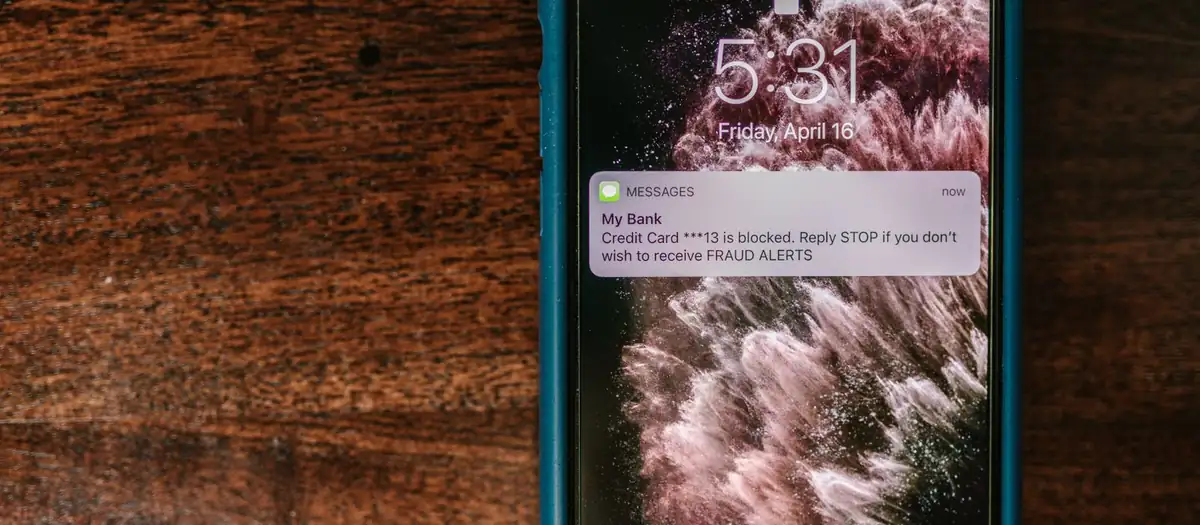
Scam calls and texts pretending to be from the CAF, ameli, the tax office or a delivery company are common. Public bodies never ask for card details by text. If in doubt, log in to your account directly rather than through a link.
What to do next
- Never pay before visiting and signing
- Use DossierFacile to share documents
- Save the police and scam-report links
Keep going
- Service-Public: Fraud (escroquerie)
- Ministère de l’Intérieur: Report illegal content online (PHAROS)
- Cybermalveillance.gouv.fr: help for victims of online scams
- Ma Sécurité: police and gendarmerie online help and pre-complaints
- Service-Public: Prospective tenants, the documents a landlord can ask for
- DossierFacile: the state’s free service to build a verified rental file
- Service-Public: Estate agency fees when you rent a home
- Service-Public: Clauses banned from a residential lease