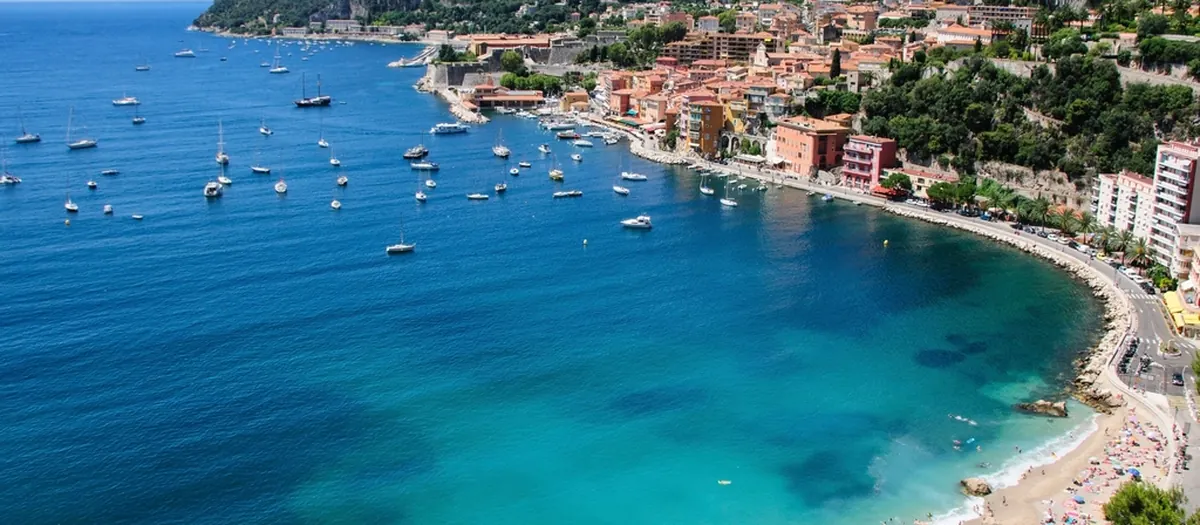
How do we cope with, and enjoy, a French summer?
French summers are getting hotter, with heat waves (canicules) most years and wildfire risk in the south. Most people adapt: shutters closed by day, swims and markets in the morning, long evenings outside. The long school holiday shapes everything from work to traffic.
In 30 seconds
- Météo-France issues heat-wave warnings in yellow, orange and red; at red, schools and events can change and outdoor work is restricted
- In the south, forests can be closed and barbecues banned on high-risk days; clearing undergrowth around homes is compulsory in many areas
- School breaks up in early July for about eight weeks, and many businesses close for part of August
Heat waves and Météo-France warnings
Météo-France’s warning map (vigilance) colours each département green, yellow, orange or red for heat and other risks. In an orange or red heat wave, keep shutters and windows closed in the day and open them at night, drink water regularly, avoid exertion at midday, and check on older neighbours. Many flats have no air conditioning; a fan and a cool room help. Call 15 for signs of heatstroke: confusion, very high temperature, hot dry skin.
How hot it gets
| Place | Days a year at 30°C or more | Highest recorded |
|---|---|---|
| Montpellier | 34 | 43.5°C (2019) |
| Toulouse | 33 | 42.4°C (2023) |
| Lyon | 31 | 41.4°C (2023) |
| Bordeaux | 26 | 41.2°C (2019) |
| Périgueux area | 22 | 39.2°C (2020) |
| Paris | 14 | 42.6°C (2019) |
| Nantes | 12 | 42.0°C (2022) |
| Nice | 9 | 37.7°C (2006) |
| Quimper (Brittany) | 2 | 35.9°C (1976) |
Averages are Météo-France’s 1991–2020 station normals (2004–2020 for the Périgueux station at Coulounieix), with records up to June 2025. Nice rarely reaches 30°C but its nights stay warm: the July average low is 21°C.
The heat-wave plan
- Mairies keep a register of older and vulnerable people who want a call during heat waves: you can sign up a relative or yourself
- Public buildings and some shops serve as cool rooms in some cities
- Employers must adapt work in extreme heat, especially outdoors
- A free heat-wave information line opens during alerts
Wildfires and the rules on fire
- Fire risk is highest from June to September, especially around the Mediterranean, in the Landes forest and increasingly in the west
- Burning garden waste is banned in most places all year, and barbecues near forests are often banned in summer
- In high-risk départements, forests and massifs can be closed to the public on dangerous days: check the prefecture’s daily map
- Homeowners near forests in many départements must clear undergrowth (débroussaillement) 50 metres around buildings
- FR-Alert sends emergency messages to phones in an affected area: follow them
Drought and water limits
In dry summers, prefectures restrict water use: watering gardens, filling pools and washing cars can be limited or banned. Check VigiEau for your address. Fines apply.
At the beach
- Swim in supervised areas, marked by flags, especially on the Atlantic coast where currents are strong
- Flags: green or no flag (supervised, no particular danger), orange (dangerous, take care), red (no swimming), purple (pollution)
- Watch for rip currents and big waves on the Atlantic and Channel coasts
- Dogs are banned on many beaches in summer
Jellyfish, weevers and mosquitoes
Jellyfish can arrive on the Mediterranean coast in summer; ask the lifeguards. On Atlantic sandy beaches, weever fish (vives) can sting bare feet: wear beach shoes at low tide. The tiger mosquito is now present in most of mainland France: empty standing water around the house and use repellent, as it can carry dengue and chikungunya.
The summer holidays
The 2027 summer holiday starts after school on Saturday 3 July. Towns run day camps (accueils de loisirs) and residential holidays (colonies de vacances), often priced by income. Book early. The first and last weekends of July and August bring France’s heaviest traffic, the “chassé-croisé”: check Bison Futé before driving.
Making the most of it
Summer is festival season: open-air concerts, night markets, Bastille Day fireworks on 14 July, village fêtes and Fête de la Musique on 21 June. Lakes and rivers offer supervised swimming spots inland.
Keeping a house cool
Traditional French homes use thick walls and outside shutters (volets) to stay cool: close them on the sunny side in the morning and open everything at night. Portable air conditioners are noisy and costly to run; a reversible heat pump (climatisation réversible) is a common upgrade in the south, but check planning rules for outdoor units, especially in flats and historic centres.
What to do next
- Check if your home is in a wildfire or flood risk area on Géorisques
- Sign older relatives up to the mairie’s heat-wave register
- Book summer camps for children in spring
Keep going
- GOV.UK: France travel advice, warnings and insurance
- Météo-France: weather warnings map (vigilance), including heat waves
- Ministère de la Santé: heat waves and high temperatures, what to do
- Santé publique France: heat wave health advice and monitoring
- Service-Public: When is clearing undergrowth (débroussaillement) compulsory?
- Service-Public: Can you burn garden waste?
- VigiEau: drought water restrictions by address
- Géorisques: natural risks at your address (floods, fires, clay soils)
- GOV.UK: France travel advice, safety and security (wildfires, beaches)
- Service-Public: School holiday calendar 2026–2027 and 2027–2028
- Bison Futé: traffic forecasts for busy weekends and holidays
- Météo-France: Fiches climatologiques, station normals 1991–2020 and records