Can I live in France without a car?
In Paris, Lyon and the other big cities you can live well without a car: metros, trams and buses are good, employers pay half your pass, and fast trains link the cities. In the countryside, including most of the Dordogne and rural Brittany, a car is close to essential.
In 30 seconds
- Monthly passes range from €90.80 for the whole Paris region to free for residents of Montpellier’s metropolitan area
- Your employer must repay half the cost of your public transport pass
- TGV and Ouigo trains link the big cities fast; a Carte Avantage railcard gives 30% off many fares
Can you manage without a car?
- Yes in Paris, Lyon, Bordeaux, Toulouse, Nice, Montpellier and Nantes, if you live near the metro, tram or a good bus line
- Mostly in smaller cities with a tram and a station
- Rarely in the countryside: buses are infrequent and shops, schools and doctors are spread out
Passes by place
| Place | Monthly adult pass | Notes |
|---|---|---|
| Paris and Île-de-France | €90.80 (Navigo, all zones) | Metro, RER, trains, trams and buses across the region; cheaper for under-26s (Imagine R), seniors and low incomes |
| Lyon (TCL) | €75.90 (since 1 September 2026) | Metro, trams, buses and funiculars; discounts for under-26s and seniors |
| Toulouse (Tisséo) | €59 for 31 days (since 1 July 2026) | Metro, trams and buses; airport shuttle extra |
| Bordeaux (TBM) | €55 (ages 28–59) | Trams, buses and river shuttles (BAT³) |
| Nice (Lignes d’Azur) | About €45 (ages 26–64) | Trams and buses across the metropole |
| Montpellier (TaM) | Free for residents | Residents of the metropolitan area travel free with a personal pass; visitors pay |
| Nantes (Naolib) | €67 (ages 26 and over), or €56.50 a month on the annual plan | Trams, buses and Navibus boats; free for everyone at weekends |
Prices change each January. Your employer pays half of your pass by law, and many networks have income-based fares.
Paris
- The Navigo Découverte card needs a photo and a €5 fee; residents usually take a named Navigo card with a monthly or annual pass
- Navigo Liberté+ charges single journeys at a reduced rate, capped, if you travel less
- RER trains link the airports, the suburbs and Disneyland
- Most of Paris is 30 km/h and many streets are pedestrian or cycle-friendly
Trains between cities
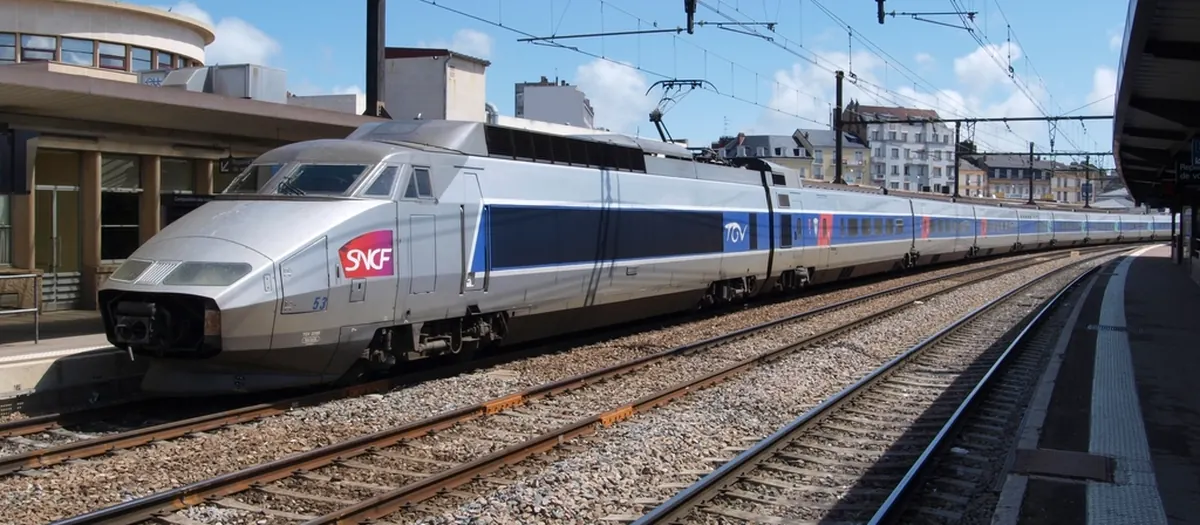
The SNCF runs TGV INOUI high-speed trains (Paris to Lyon about 2 hours, to Bordeaux about 2 hours, to Marseille about 3h 15m), OUIGO low-cost high-speed and classic trains, Intercités and regional TER trains run with the regions. Book early for the cheapest fares. The Carte Avantage railcard (about €49 a year, in versions for ages 12 to 27, 27 to 59 and 60+) gives 30% off many fares and caps some prices. Regions sell their own TER passes and discounts.
Coaches and car sharing
Long-distance coaches (FlixBus, BlaBlaCar Bus) are cheap between cities. BlaBlaCar car sharing is widely used for journeys trains don’t cover well, and regional car-sharing schemes exist for commuters. Eurostar runs from London to Paris and Lille, with changes for Lyon, Bordeaux and the south.
Bikes and e-scooters
- Bike share in most big cities: Vélib’ (Paris), Vélo’v (Lyon), VélôToulouse, V³ (Bordeaux), Vélomagg (Montpellier) and others
- Bikes need working lights, a bell and reflectors; a high-visibility vest at night outside towns
- E-scooters: 14 and over, 25 km/h maximum, one person, no riding on pavements unless the mayor allows it, and no earphones; fines are €135
- Paris banned rental e-scooters in 2023; your own is allowed
- Insure yourself: liability cover is required for e-scooters and recommended for bikes
Taxis, Uber and Bolt
Taxis have regulated fares by département and a fixed price between Paris and its airports. Ride-hailing services (VTC) such as Uber, Bolt and Heetch operate in the big cities, and G7 runs a large Paris taxi app. In smaller towns, book a taxi by phone in advance.
Getting back to the UK without a car
From Paris or Lille, Eurostar takes about 2h 20m or 1h 25m to London. From the regions, low-cost flights to London and UK regional airports often beat the train. Foot passengers can still use some Channel ferries.
What to do next
- Check the pass price on your city’s network site
- Ask your employer how to claim the transport refund
- Download the SNCF Connect app and price a Carte Avantage
Keep going
- Service Public Entreprendre: Transport in the Paris region, Navigo €90.80 a month in 2026 (11 Dec 2025)
- Île-de-France Mobilités: passes and fares in the Paris region
- SYTRAL Mobilités: TCL fares for 2025 and 2026, with the grids from 1 September 2026 (PDF)
- TCL: Lyon public transport
- L’Itinéraire: fares in France’s big cities compared (Jan 2026)
- TBM (Bordeaux): Monthly passes, Le Pass Mensuel €55 for ages 28–59
- Tisséo e-boutique: 31 jours, tout public
- Lignes d’Azur: Nice Côte d’Azur public transport
- TaM: Montpellier public transport (free for residents of the metropolitan area)
- Naolib: Nantes monthly tickets (€67 for ages 26 and over) and the annual plan
- TBM (Bordeaux): Monthly passes, Le Pass Mensuel €55 for ages 28–59
- Service-Public: Employer’s share of public transport costs
- SNCF Voyageurs: Carte Avantage Adulte (€49 a year, 30% off)
- OUIGO: SNCF’s low-cost high-speed and classic trains
- Vélo’v: Lyon’s bike-share scheme
- Vélib’ Métropole: Paris bike share
- Service-Public: Riding e-scooters, hoverboards and skateboards (rules and fines)
- Service-Public: Compulsory equipment on a bike
- Service-Public: Do you need insurance for a bike or e-scooter?
- Service-Public: Taxi fares and obligations
- BlaBlaCar: car sharing and coaches
- Eurostar: trains between London and Paris, Lille and beyond